When you select additives for footwear sole resin, you address abrasion, stickiness, and poor durability in soles. Additives for footwear sole resin act as your primary solution for extending longevity. You enhance soles with anti-abrasion agents, innovative additives, and odor control. Each solution ensures longevity, performance, and hygiene for soles in 2026.
Common Problems in Worn-Out Shoe Soles
Abrasion and Wear
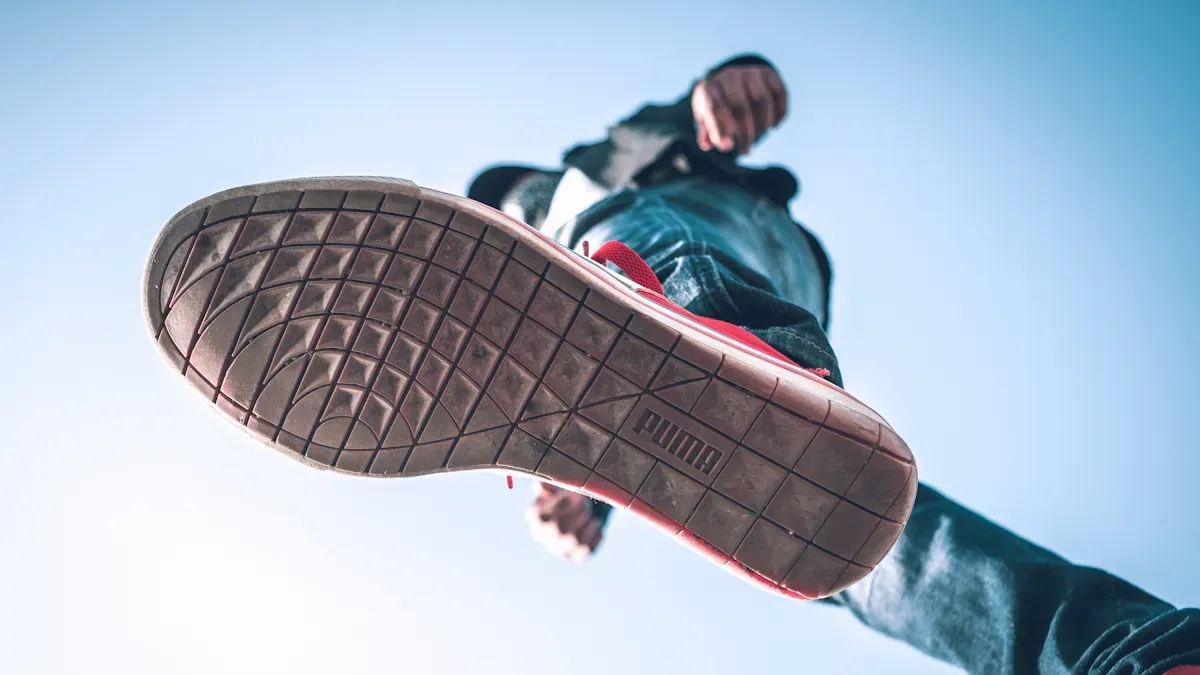
You often see abrasion as the leading cause of worn-out shoe soles. Daily walking on pavement erodes the surface, especially in high-contact areas. The following table shows how abrasion affects soles over time:
|
Wear Process |
Description |
Test Results |
|---|---|---|
|
Abrasive smoothing |
Erosion of high-frequency ridges from pavement contact |
Average grain height reduction of 18–22 microns after 50 miles |
|
Oxidative yellowing |
Breakdown of rubber polymer chains from UV and ozone |
Alters surface reflectivity, impacts grain appearance |
|
Contaminant embedding |
Particulates create false textures in the material |
Embedded particles mimic low-density EVA foam signature |
|
Non-uniform wear |
Different rates across sole parts |
Forefoot wears 3.2× faster than heel |
Abrasion leads to premature wear and tear, reducing the lifespan of your soles.
Stickiness and Mold Issues
You may notice stickiness on worn-out shoe soles, especially in humid environments. This stickiness attracts dirt and can promote mold growth. Mold not only damages soles but also creates hygiene concerns for users.
Flexibility and Cracking
Loss of flexibility often signals advanced abrasion. When soles become rigid, they crack under pressure. Cracking exposes the inner layers, accelerating abrasion and making the soles uncomfortable.
Odor and Hygiene Concerns
Odor becomes a major issue as soles age. Common microorganisms found on soles include:
-
Staphylococcus aureus
-
Escherichia coli
-
Pseudomonas aeruginosa
-
Clostridium difficile
These microbes thrive in the warm, moist environment inside shoes. You risk bringing environmental contaminants into your home with every step. Persistent odor and hygiene problems often result from microbial growth in worn-out shoe soles.
Additives for Footwear Sole Resin
Anti-Abrasion Agent for Shoe Sole
You face abrasion as a primary challenge in extending the life of soles. When you select an anti-abrasion agent for shoe sole applications, you directly target the weak points that lead to early wear. Anti-abrasion additives reinforce the polymer matrix, creating a shield against rough surfaces and repeated impact. You see the benefits in both performance and appearance.
The following table compares the effectiveness of different anti-abrasion agent for shoe sole options:
|
Test Parameter |
Standard EVA Compound |
EVA + Xiangxi Anti-Abrasion Agent (1.5% loading) |
Improvement |
|---|---|---|---|
|
DIN Abrasion (mm³) |
180 mm³ |
125 mm³ |
30.5% Reduction |
|
Mold Release Force |
High (Sticking observed) |
Low (Ejector pins sufficient) |
~50% Reduction in Downtime |
|
Surface Gloss/Finish |
Matte, visible flow lines |
Smooth, uniform finish |
Visual Enhancement |
|
Coefficient of Friction |
High |
Low |
Improved Slip/Scuff Resistance |
You can see that the anti-abrasion agent for shoe sole reduces DIN abrasion by over 30%. In a real-world case, a Vietnamese running shoe OEM used this solution and achieved a 35% reduction in abrasion values, meeting strict buyer specifications. The anti-abrasion agent for shoe sole also eliminated mold sticking, which cut the rejection rate from 6% to under 1%. You gain improved abrasion resistance, better surface finish, and lower production downtime. When you use high-performance anti-abrasion additives, you extend the lifespan of soles and deliver high-performance materials that meet market demands.
Anti-Stick and Release Additives
You often encounter stickiness and mold release issues during manufacturing. Anti-stick and release additives solve these problems by modifying the surface properties of the sole resin. You benefit from smoother demolding, less downtime, and fewer defects.
Internal lubrication reduces viscosity and improves flow during processing, enhancing your manufacturing efficiency. External lubrication creates a barrier between the sole and mold, making release easy and preventing sticking. Thermal stability, achieved with ultra-high molecular weight polysiloxane, ensures the additive performs under high temperatures. Surface smoothness improves product aesthetics and reduces vacuum voids.
You see a shift toward functional additives like silicone-based anti-abrasion agent for shoe sole solutions, especially in the EVA midsole and outsole market. These additives help you achieve consistent quality and reduce waste. When you use anti-abrasion additives with release properties, you address both abrasion and stickiness in one step.
Flexibility and Comfort Enhancers
You know that flexibility and comfort define the user experience. When soles lose flexibility, they crack and become uncomfortable. You can enhance comfort and durability by choosing the right high-performance materials.
The table below highlights the most effective flexibility and comfort enhancers:
|
Material |
Key Benefits |
|---|---|
|
TPU (Thermoplastic Polyurethane) |
Durability and abrasion resistance, enhancing longevity. |
|
PEBA (Polyether Block Amide) |
Excellent cushioning and energy return, appealing to performance-focused athletes. |
|
EVA (Ethylene Vinyl Acetate) |
Lightweight and flexible, popular for comfort. |
You can blend these materials with anti-abrasion agent for shoe sole and anti-abrasion additives to achieve improved comfort and performance. TPU offers resistance to abrasion and extends the life of soles. PEBA provides energy return, which athletes value. EVA remains a favorite for lightweight comfort. When you combine these enhancers with anti-abrasion agent for shoe sole, you create soles that resist wear, stay flexible, and deliver comfort.
Odor Control Solutions
You face growing demand for odor control and hygiene in 2026. Odor control solutions use antimicrobial additives to inhibit the growth of bacteria and fungi. You can integrate these additives into the masterbatch, ensuring even distribution throughout the sole. This approach prevents odor at the source and maintains hygiene for the user.
You should look for high-performance materials that combine anti-abrasion agent for shoe sole, anti-abrasion additives, and odor control in one package. This integration supports improved abrasion resistance, comfort, and hygiene. You meet consumer expectations for clean, long-lasting soles.
When you select the right additives, you address abrasion, stickiness, flexibility, and odor in a single step. You leverage shoe sole technology and functional additives to deliver high-performance anti-abrasion solutions. You ensure your soles stand out in the market for durability, comfort, and hygiene.
Evaluating Additive Solutions for Longevity
Material Compatibility
You must evaluate how anti-abrasion additives interact with different sole materials. When you select additives for EVA, PU, or rubber, check the softening point difference. If this difference stays below 2.5 °C, you prevent segregation and ensure stability. You should monitor dosage, as higher additive content can increase the softening point gap. Proper control keeps your anti-abrasion additives compatible and maintains the integrity of your soles.
-
Always match anti-abrasion additives to the base material.
-
Monitor the softening point difference for each batch.
-
Adjust dosage to maintain stability.
Performance Data and Case Studies
You need to measure the impact of anti-abrasion additives on durability. The table below shows minimum tensile strength requirements for different applications:
|
Application Scenario |
Minimum Tensile Strength (MPa) |
|---|---|
|
General rubber shoe soles |
≥ 7.0 |
|
Military rubber shoe soles |
≥ 12.0 |
|
Outdoor rubber shoe soles |
≥ 10.0 |
High tensile strength from anti-abrasion additives prevents tearing and supports enhanced durability and longevity. In one case, a Vietnamese running shoe OEM used anti-abrasion additives and saw a 35% drop in DIN abrasion values, which helped extend lifespan and reduce rejection rates. Another manufacturer in Indonesia solved defects by switching to eco-friendly anti-abrasion additives, cutting labor hours and improving quality.
Manufacturing and Cost Considerations
You should consider how anti-abrasion additives affect your process and costs. Additives that blend easily with your base resin reduce downtime and waste. Eco-friendly anti-abrasion additives can lower energy use and support sustainable production. When you choose the right anti-abrasion additives, you extend lifespan and improve efficiency.
Regulatory and Sustainability Factors
You must comply with industry standards for abrasion resistance and safety. Eco-friendly anti-abrasion additives help you meet regulations and appeal to environmentally conscious consumers. Always test your soles for compliance and durability. Sustainable anti-abrasion additives support your brand’s reputation and the planet.
Implementation and Testing Solutions
Integration Steps
You need to follow clear steps when integrating additives into your production process. Start by selecting the right anti-abrasion additives for your base material. Weigh and blend the additives with your resin using a high-shear mixer. This ensures even distribution. Use a masterbatch approach if you want consistent results across large batches. Monitor the temperature and mixing time closely. You should adjust the loading level of anti-abrasion additives based on your performance targets. Document each step for traceability.
Tip: Always run a small pilot batch before scaling up. This helps you identify any unexpected reactions between additives and your resin.
Durability Testing
You must test the effectiveness of anti-abrasion additives after integration. Use standardized tests like DIN abrasion, tensile strength, and flex cracking. Compare your results to industry benchmarks. Record the performance of soles with and without anti-abrasion additives. Use a table to track improvements:
|
Test Type |
Without Additives |
With Anti-Abrasion Additives |
|---|---|---|
|
DIN Abrasion Loss |
High |
Low |
|
Flex Cracking |
Early Failure |
Extended Life |
|
Odor Resistance |
Poor |
Improved |
You should repeat tests for each production batch. Consistent results confirm that your anti-abrasion additives work as intended.
Troubleshooting Issues
You may face challenges when using additives. If you see uneven dispersion, check your mixing speed and time. If soles show poor abrasion resistance, review the dosage of anti-abrasion additives. Mold sticking can signal the need for more release additives. If you notice color changes, verify the compatibility of anti-abrasion additives with your pigments.
Note: Keep detailed records of all adjustments. This helps you solve problems faster and improve your process.
You can achieve durable, high-performance soles by following these steps and using anti-abrasion additives effectively.
You solve abrasion, stickiness, and odor by selecting the right additives for footwear sole resin. Innovative solutions like Dongguan Yiyuan Additives extend shoe life and meet evolving consumer needs.
-
The market shifts toward eco-friendly materials, smart technology, and customization.
-
Continuous testing ensures comfort and durability.
Stay informed to deliver high-performance soles.
FAQ
What is the best way to choose an anti-abrasion additive for shoe soles?
You should match the additive to your base material, review performance data, and test small batches before full-scale production.
Can you combine odor control and anti-abrasion additives in one sole?
Yes, you can. Many masterbatch solutions allow you to blend both for enhanced durability and hygiene.
How do you test if an additive improves durability?
-
Run DIN abrasion tests.
-
Check tensile strength.
-
Compare results with and without the additive.